
Auschwitz
A series drawn from historical photographs, centered on loss, somber remembrance, and the complicated relationship with faith.
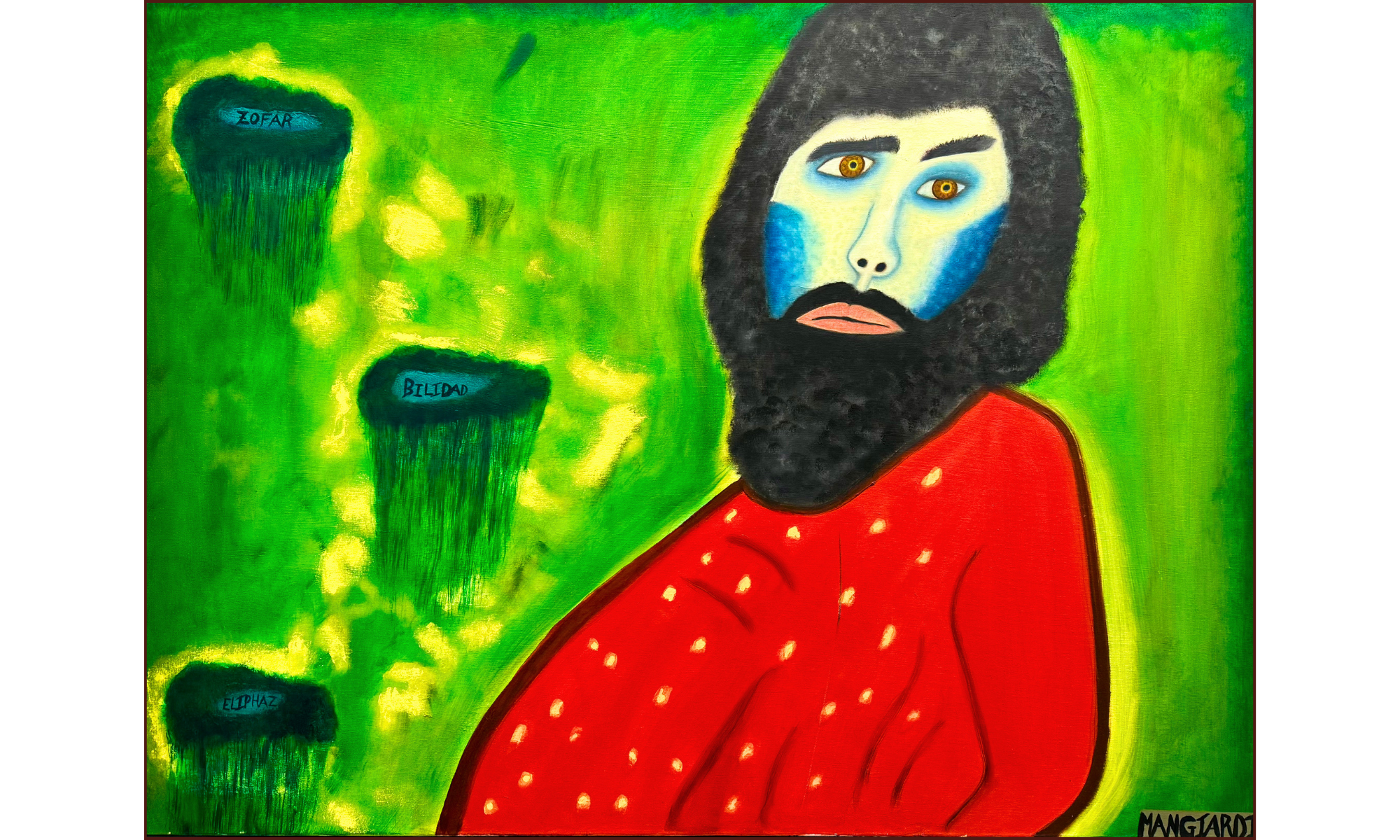
There Once Was a Man from UZ, Book of Job. Auschwitz Series. Oil on canvas, 152 X 122 cm
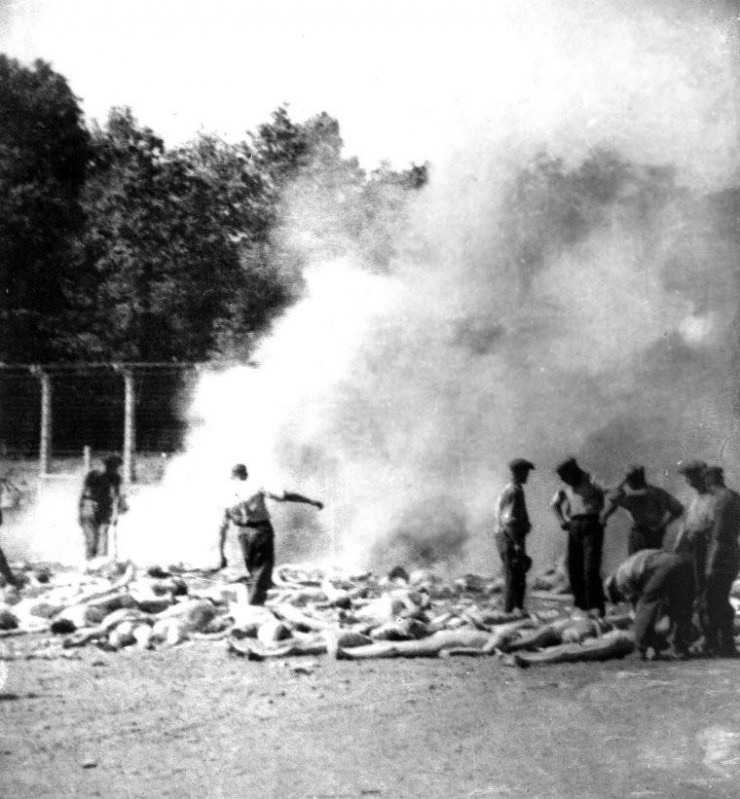
Sonderkommando Photographs 1944. Retrieved from Wikipedia.
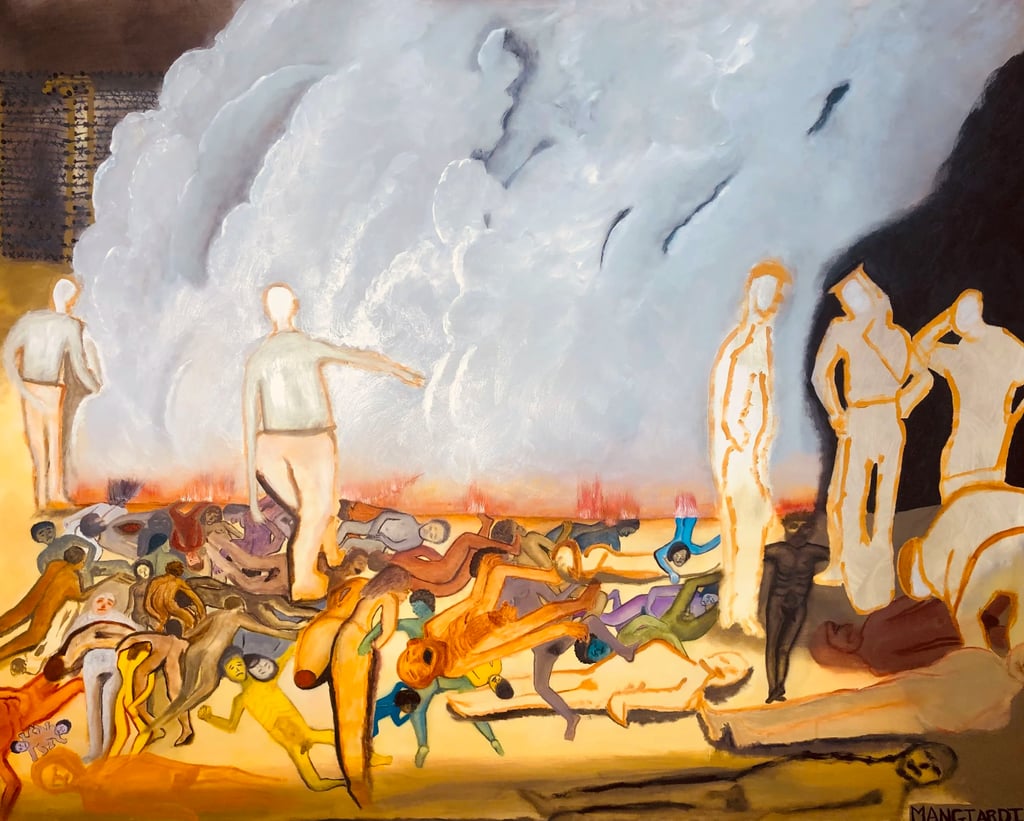
Fall in the Time of Hitler. Auschwitz Series. Oil on Canvas. 60x48"
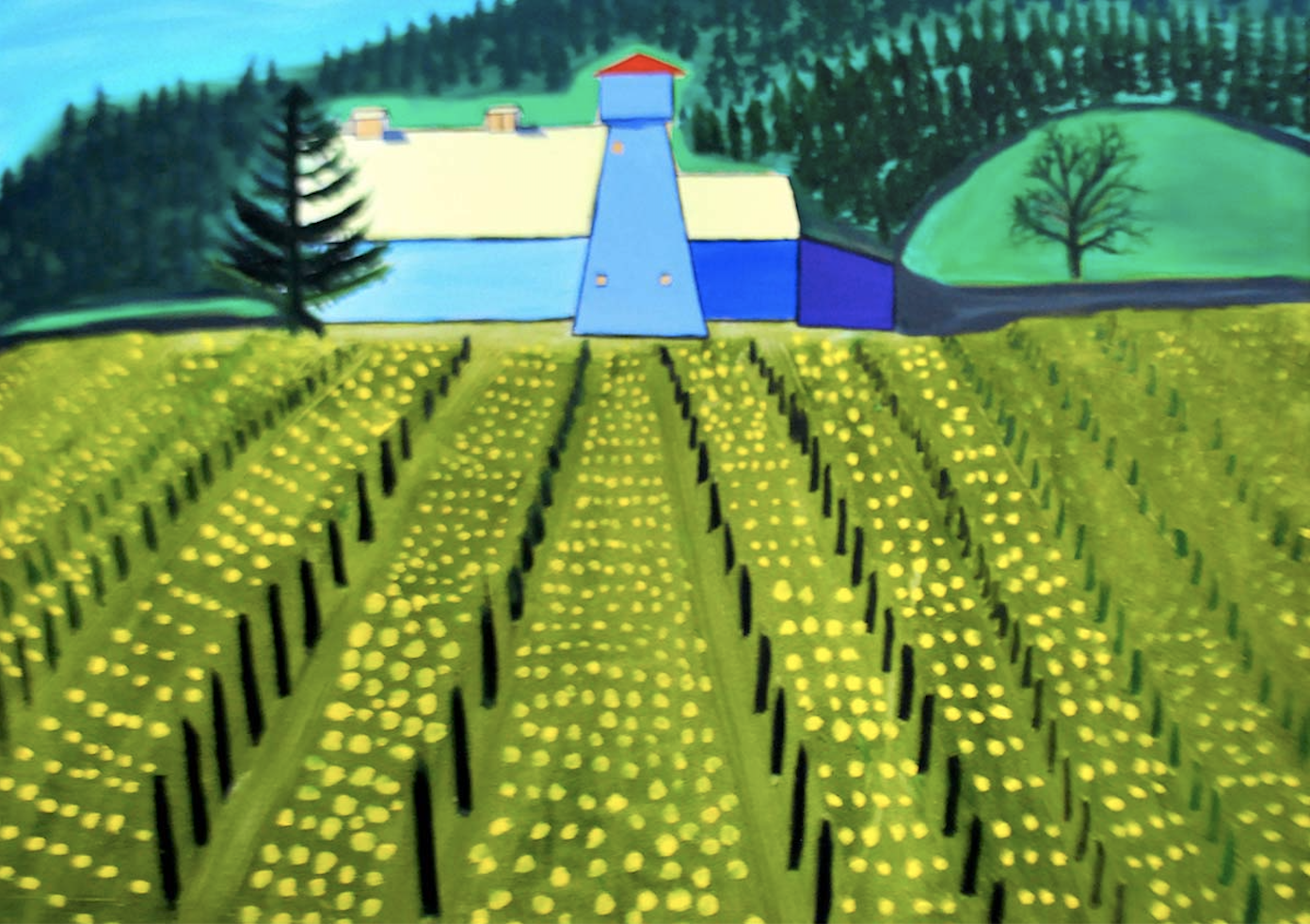
Springtime in the Time of Hitler 1939. Auschwitz Series. Oil on canvas, 36x28"
Auschwitz-Birkenau, 1944.
Drawn from a liberation photograph documenting the aftermath of mass burnings, this work references the Sonderkommando—prisoners forced under threat of death to handle the bodies of those murdered. Often described as “dead men walking,” they lived in a suspended state, compelled to bear witness and then eliminated to erase that witness.
As a boy, the story in the Book of Job both attracted and repelled me.
Even as they quickly surmised on the crowded, inhuman, smoke-belching iron monsters that held them trapped and cold for the journey, the story of the man from Uz held many of their hearts from exploding out of their chests.
God and Satan made a deal to prove that even the most faithful of believers could be shaken from their faith if circumstances could be manipulated in just the right way.
After the Pox (smallpox), Job survives and still believes.
After his children die, Job survives and still believes.
After his flocks are gone, Job survives and still believes.
After his friends try to convince him to ‘get a life,’ Job survives the social onslaught and still believes.
The devil loses, God wins, and Job receives twice the wealth and double the number of children and lives to a ripe old age. Old Testament justice is served up and the lesson is imprinted in the hearts of the faithful.
Fast forward to those who were put on trains to fantasy camps where life would be better…
This unholy irony held, and probably will forever hold, a firm grip on the sense of outrage that doesn’t seem to want to let go of my own heart.
So, after having painted the story of Auschwitz during the late ‘Autumn in the Time of Hitler,’ the man from Uz came back to haunt me. How? The irony.
The meanness of it had to be dispelled for me, so I painted an almost cartoonish portrait of Job as a bit of a caricature of himself as a hapless man worried more about what horror might be visited on him next, rather than the symbolic struggle he was to become famous for, as a result of his stubborn conviction that he was never going to let go of.
He looks a bit maniacally to his left with fear at what is undoubtedly coming around the corner next as he tries to tune out the drone of logic that his rabbinical friends (Zofar, Bilidad and Elphaz) are raining on his fading cloud of green hope that he observes from his throne of decaying manure.
- John Mangiardi
I thought of the places where the Nazi concentration camps during WWII were located, after having seen a black and white photo of a potato field next to the Polish Army base at Auschwitz. It looked so peaceful and tranquil. So, I painted it, with a hint of foreboding, and called it “Springtime in the Time of Hitler,” imagining it just before Hitler et al. built a death camp on the site of the Barracks.
Auschwitz, 1939
- John Mangiardi
New York-based artist. Vibrant storytelling through art.
studio
receive updates
© 2026 Mangiardi.Art LLC. All rights reserved.
EXPLORE
Mangiardi Art
Westhampton Beach / Riverhead NY